

Cosmetic eyelid surgery in River Edge, New Jersey

Eyelid Surgery,explained clearly.

Clear, patient-first information about upper-eyelid skin, drooping lids, and under-eye bags—so you can understand your options before a consultation.

Close-up of the eyelid area

Understanding your concerns

Why Choose Eyelid Surgery?

Patients often describe hooded or crepey upper-eyelid skin, eyelids that feel heavy, makeup that smears, a low or uneven lid, or bags that make them look tired even when they feel rested.

Eyelid-focused care

Four concerns. Carefully matched treatment paths.

Upper-lid skin, eyelid height, lower-lid bags, and under-eye hollowing require different plans. Your in-person evaluation determines which option—or combination—best fits your anatomy, eye health, prior treatment, and goals.

Upper eyelids

Blepharoplasty

What it is: an eyelid lift that removes a carefully measured amount of excess upper-lid skin and, when appropriate, selected fullness near the inside corner.

What it can address: hooding, crepey skin, a heavy appearance, a less visible lid platform, and makeup transfer caused by overhanging skin.

Important: excess skin and a low eyelid can look similar. A blepharoplasty does not automatically correct ptosis.

Explore Blepharoplasty
Drooping eyelids

Ptosis Repair

What it is: treatment for an upper eyelid that sits lower than expected because the lifting muscle or tendon is not holding it at the intended height.

What it can address: a low lid margin, unequal eyelid height or contour, a tired appearance, and—in some patients—a reduced visual field.

Important: ptosis has several possible causes. An in-person examination determines the cause and whether an internal repair, another technique, medication, observation, or combined skin removal should be discussed.

Explore Ptosis Repair
Ptosis treatment area

Lower eyelids

Lower Eyelid Surgery

What it is: a procedure that can reposition or remove lower-lid fat and, when appropriate, address skin, lid looseness, or the eyelid-to-cheek transition.

What it can address: persistent under-eye bags and selected contour changes that contribute to a tired appearance.

Important: puffiness, dark circles, and hollowing can have different causes, so not every under-eye concern is treated with surgery.

Explore Eye Bags Surgery
Close-up of the lower eyelid area

Under-eye volume

Fat Grafting

What it is: a procedure that transfers a patient’s own fat from another area to under-eye or cheek volume loss when added support is appropriate.

What it can address: hollowing and a sharp lower-eyelid-to-cheek transition that creates shadowing. It is different from fat transposition, which moves existing lower-lid fat, and fat excision, which removes selected fat.

Important: fat grafting treats volume loss; it does not replace treatment for excess skin, a low eyelid, or every type of discoloration.

Explore Fat Grafting pricing
Under-eye volume treatment area

The details, in plain language

What to know before choosing treatment.

These answers are a starting point, not a diagnosis. Your consultation is where we review your health, anatomy, goals, and the approach that makes sense for you.

Explore procedure pricing
What can Eyelid Surgery change?

Blepharoplasty can reduce hooding, define the lid platform, and address selected inner-corner fullness. Ptosis repair is intended to improve a low eyelid’s height, contour, and symmetry. Lower-eyelid surgery can address selected causes of bags or contour changes. The appropriate treatment and result vary by person.

How are dermatochalasis, ptosis, and eye bags different?

Dermatochalasis means excess eyelid skin. Ptosis describes an eyelid that sits too low. Under-eye bags usually involve prominent lower-lid fat, but skin, hollows, festoons, swelling, prior filler, and lid support can also affect the contour. An examination identifies which structures are involved.

Will I still look like myself?

The intended result is natural and conservative: a rested, more open appearance that respects your eyelid shape and facial anatomy. The consultation is where Dr. Landmann explains what amount of change may be realistic and why removing or lifting more is not always better.

What should I expect from anesthesia and the procedure setting?

Many upper-eyelid blepharoplasty procedures use local numbing medicine with an oral relaxing medication in the office. Ptosis technique and lower-lid surgery may require monitored IV or twilight sedation. The setting and anesthesia plan are selected for the procedure and patient.

How should I plan for consultation and recovery?

Bring your medication and eye-drop list, prior eye-procedure history, and questions. Instructions may cover medication changes, transportation, icing, head elevation, eye ointment or drops, activity, and scheduled follow-up. Bruising and swelling improve gradually, while scars and contour continue to mature over time.

Comfort and safety

Care planned around your procedure.

Most upper-eyelid blepharoplasty procedures can be performed in the office with local anesthesia and an oral relaxing medication. IV sedation is considered when it is the right fit for the patient and procedure.

Oral relaxing medication

For many upper-lid procedures, patients are comfortable with local numbing medicine and an oral medication taken in the office.

Anesthesia / IV sedation

For certain procedures or patient needs, monitored IV sedation may be planned with an anesthesiologist.

Before & after gallery

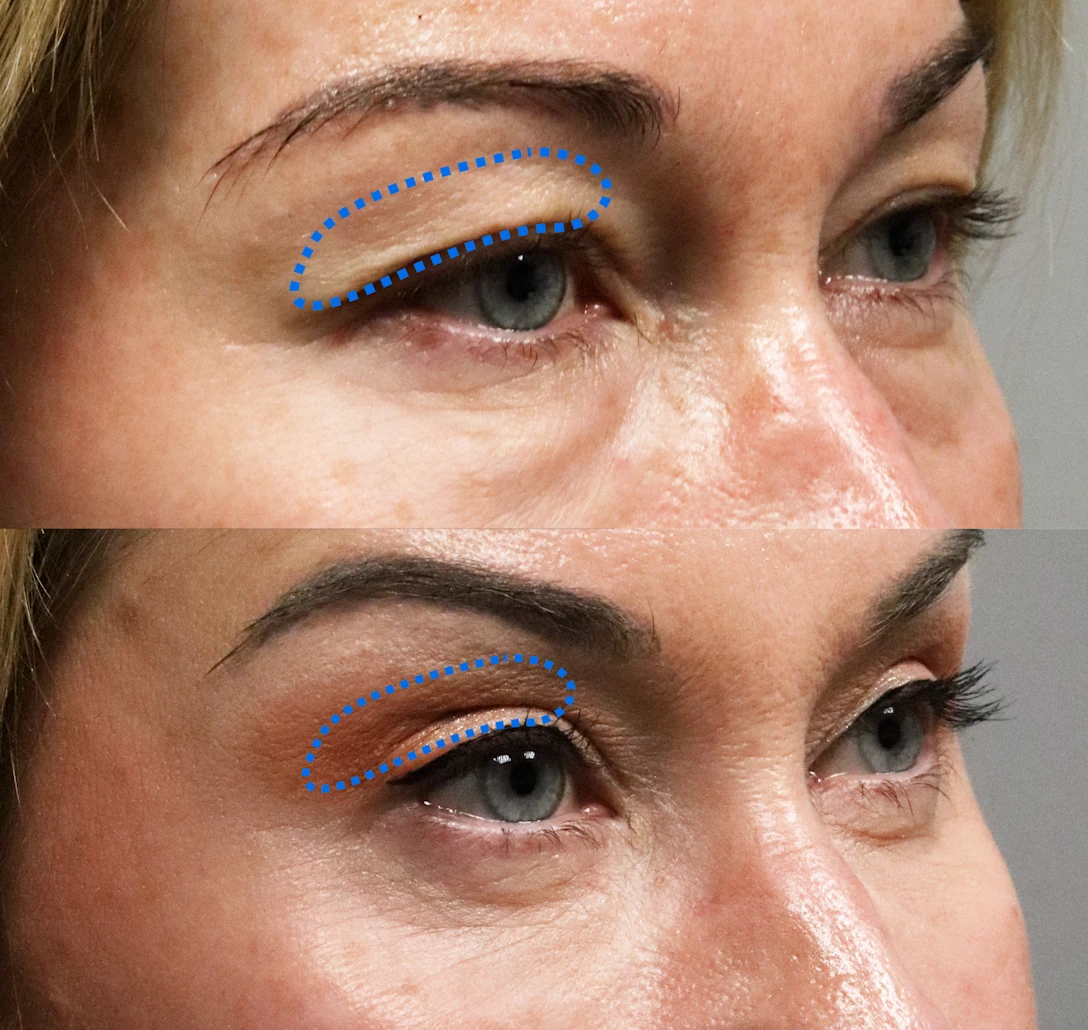
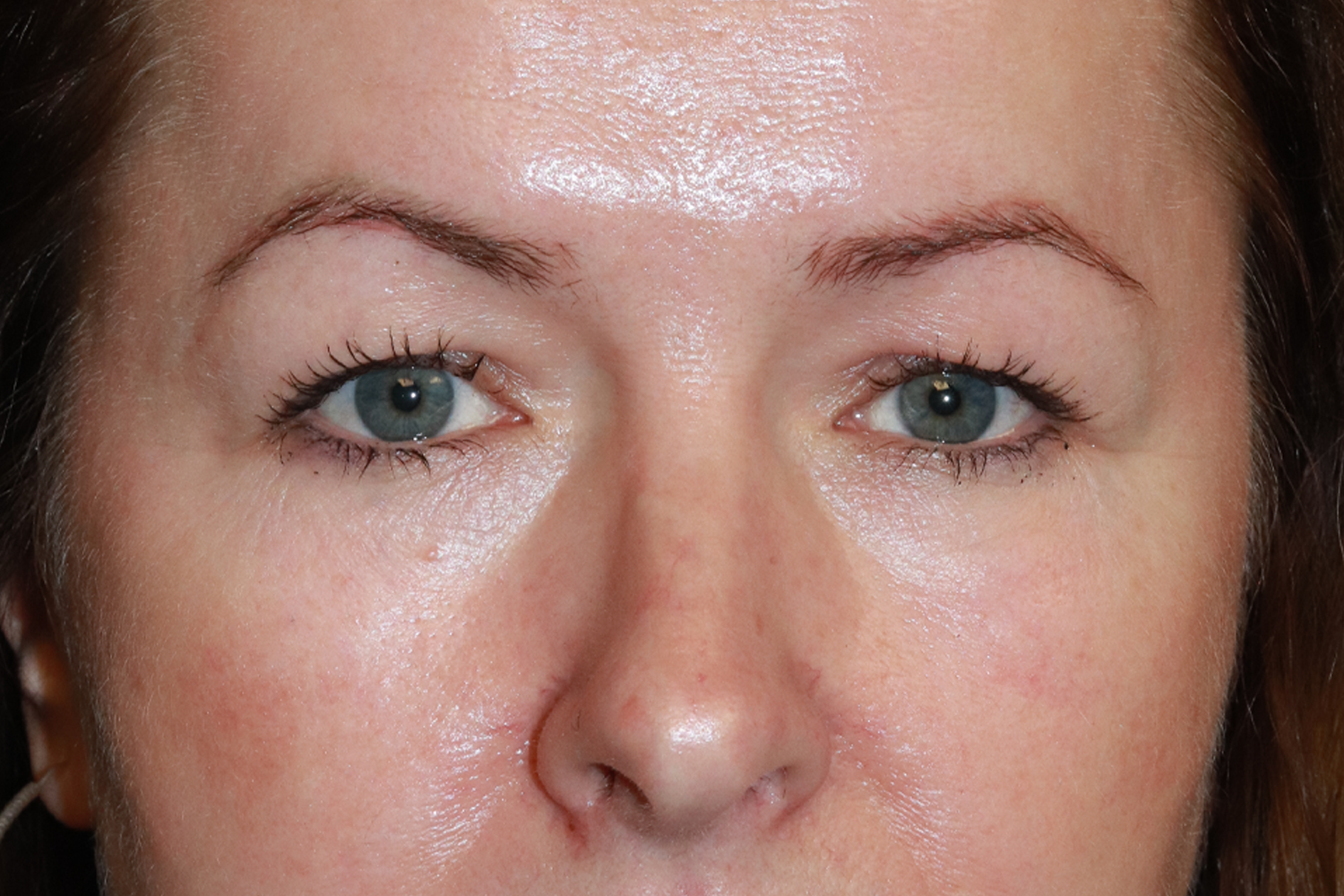
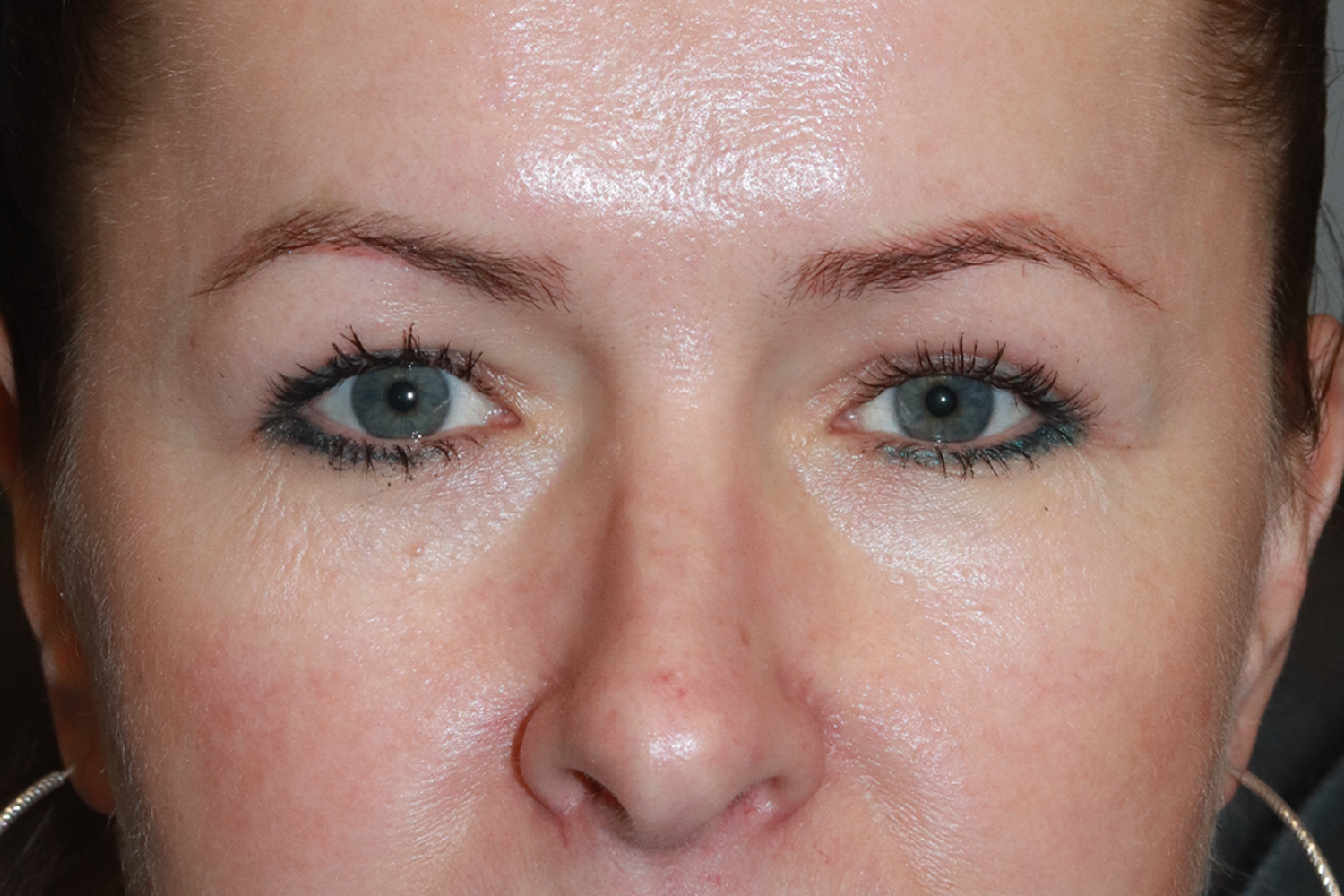
See the areas Dr. Landmann evaluated in this case.

Open any image to view it larger. The annotated images show why an eyelid evaluation should look at both excess skin and eyelid position.

Before treatment
After treatment

Real patient. Individual results vary. Images are shown for educational purposes with appropriate permission.

Request a consultation

Tell us what you are noticing and the team will help you choose the right place to begin.

Name(Required)
What Bothers You Most About Your Eyes:

Call nowRequest a consultation