
Understand the source of the concern.
Dr. Landmann evaluates eyelid position, skin, fat, facial support, eye-surface health, prior procedures, medications, and goals.
Lower eyelid surgery
Learn how lower-eyelid bags, deep tear troughs, loose skin, and color changes are evaluated before treatment.
Request a consultation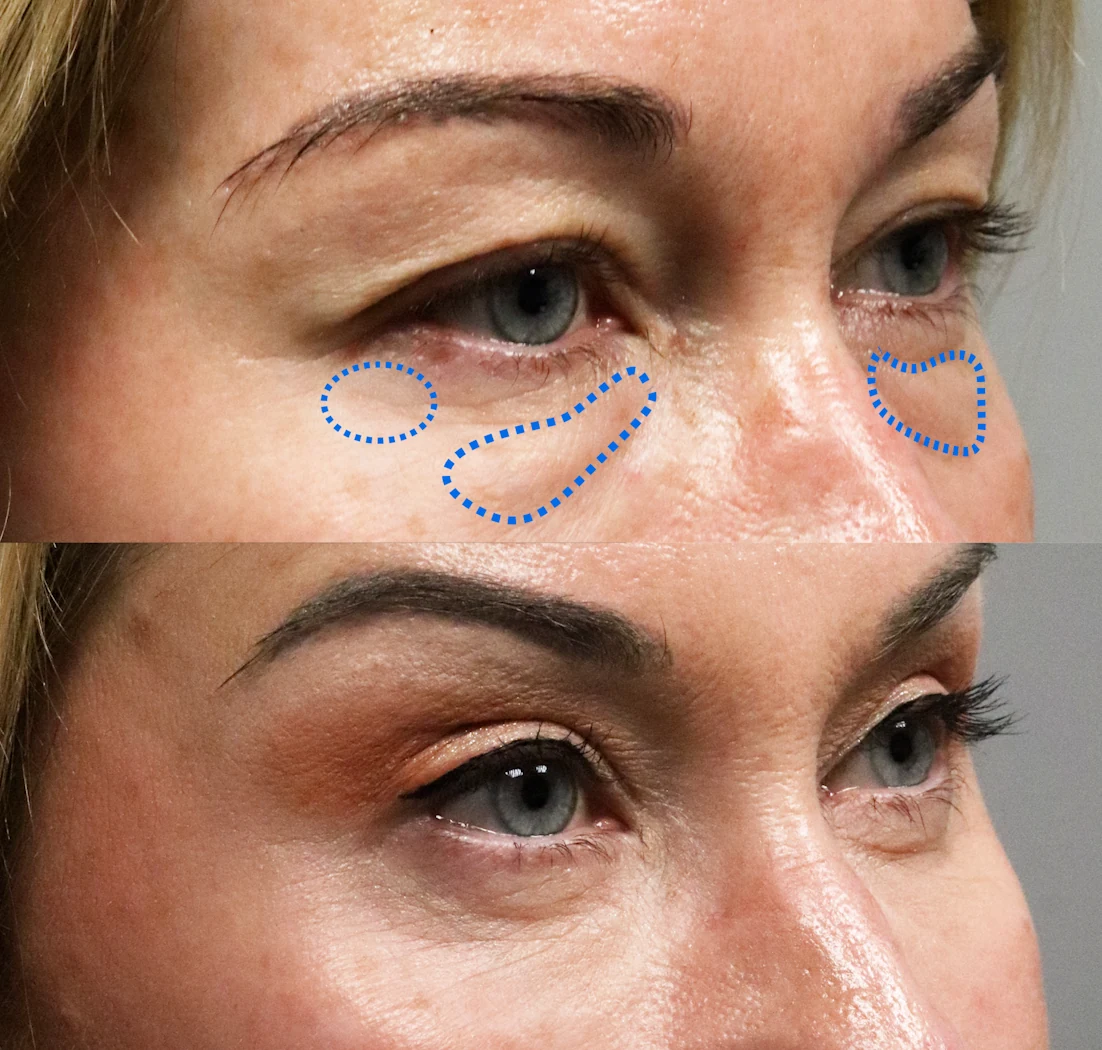
What it treats
Dr. Landmann performs an individual examination that reviews your eye health, anatomy, prior procedures, medications, goals, risks, benefits, alternatives, and realistic recovery before a treatment is recommended.
A patient-first overview
Dr. Landmann evaluates eyelid position, skin, fat, facial support, eye-surface health, prior procedures, medications, and goals.
Technique, treatment setting, comfort plan, expected changes, and alternatives are discussed before treatment.
The team provides personalized preparation and postoperative guidance and monitors healing, comfort, and eyelid function.
Dr. Landmann evaluates lower-lid fat pads, skin quality, the eyelid-to-cheek transition, lid tone, eye-surface health, prior filler, swelling, discoloration, and any previous procedures. These findings determine whether surgery, a non-surgical option, or a combination should be discussed.
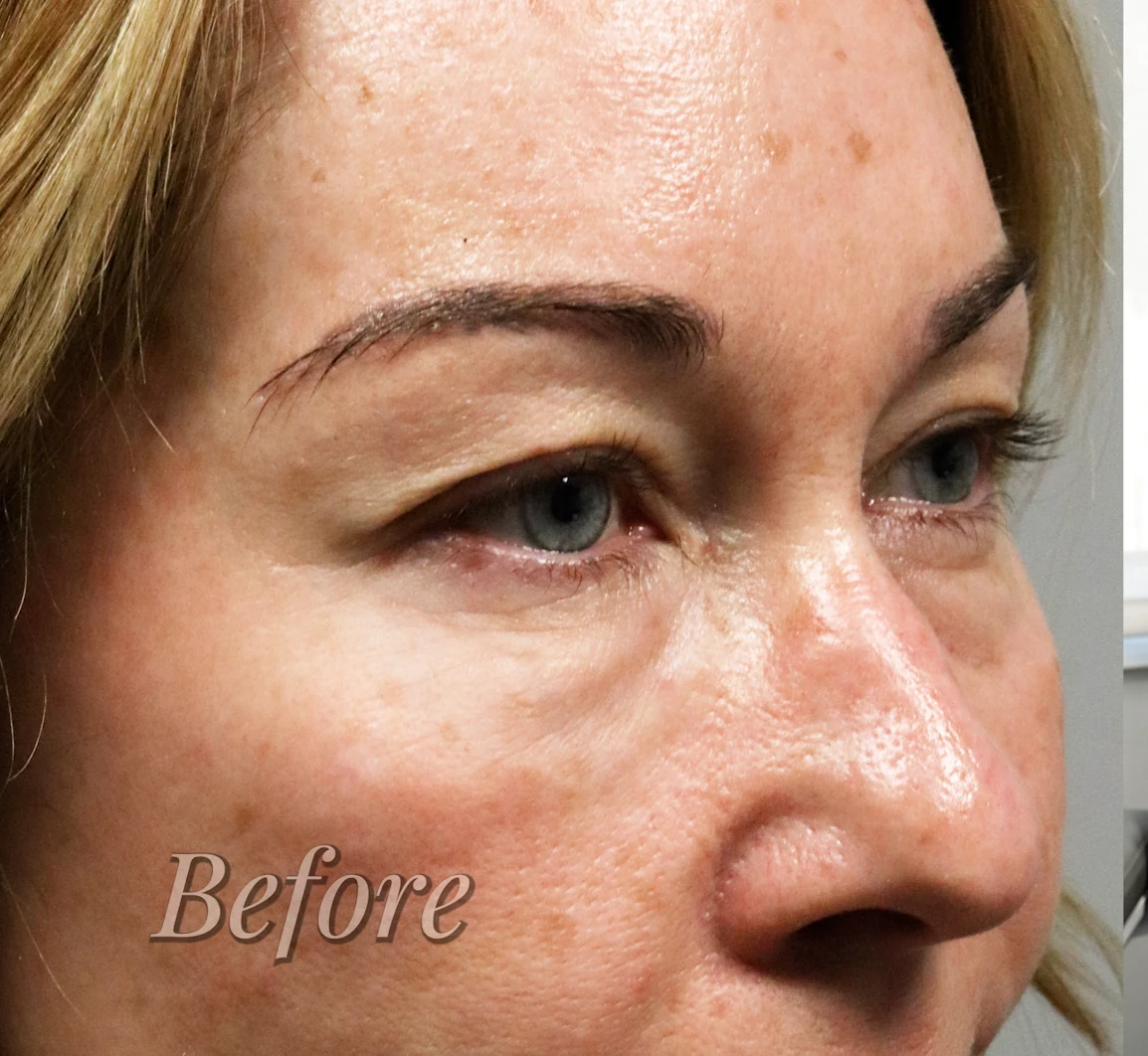
Fat Grafting and Fat Transposition each have their own advantages, and the best approach depends on your individual anatomy and goals. Rather than using a one-size-fits-all technique, Dr. Landmann will evaluate your specific needs and discuss which option is best for you. The goal is not simply to remove as much fat as possible, but to create a smoother and natural-looking contour.
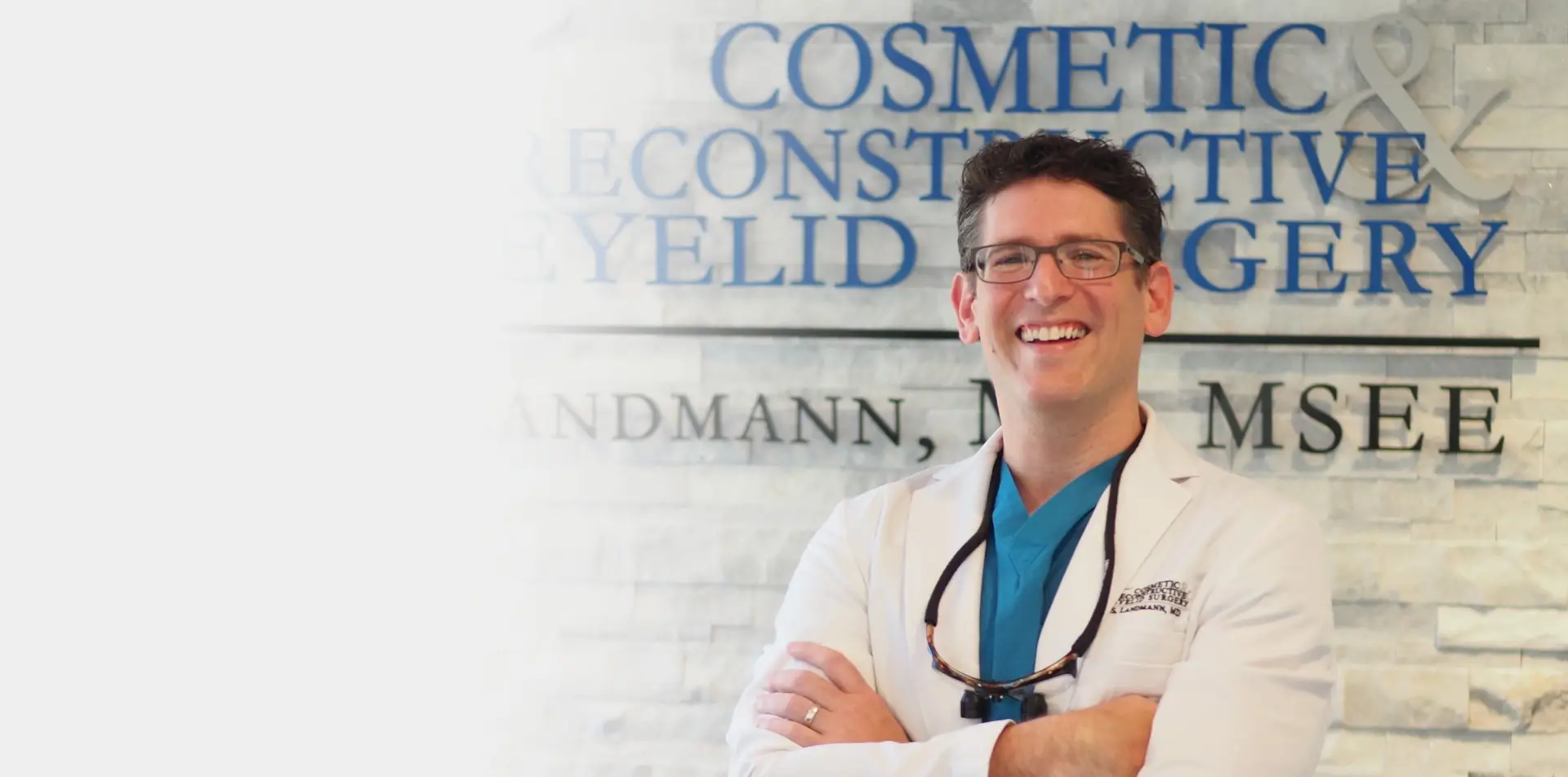
Lower lid surgery is planned with twilight anesthesia, not general anesthesia. There is no breathing tube. You're breathing on your own the whole time. Afterwards, you'll have Dr. Landmann's cell phone number - Call or text him anytime! You'll have as many post-operative appointments as needed to make sure everything heals as perfectly as possible.
From consultation to recovery
It's a lot! But Dr. Landmann, Sydney, and our staff will take care of you throughout the whole process.
Evaluate fat, skin, hollowing, lid tone, eye surface health, prior filler, and previous procedures.
Review the surgical approach, anesthesia, possible adjuncts, expected recovery, risks, and alternatives.
Follow personalized instructions and scheduled postoperative visits as swelling and contour evolve.
Before and after
The goal is a natural-looking result planned around your anatomy—not a different face.
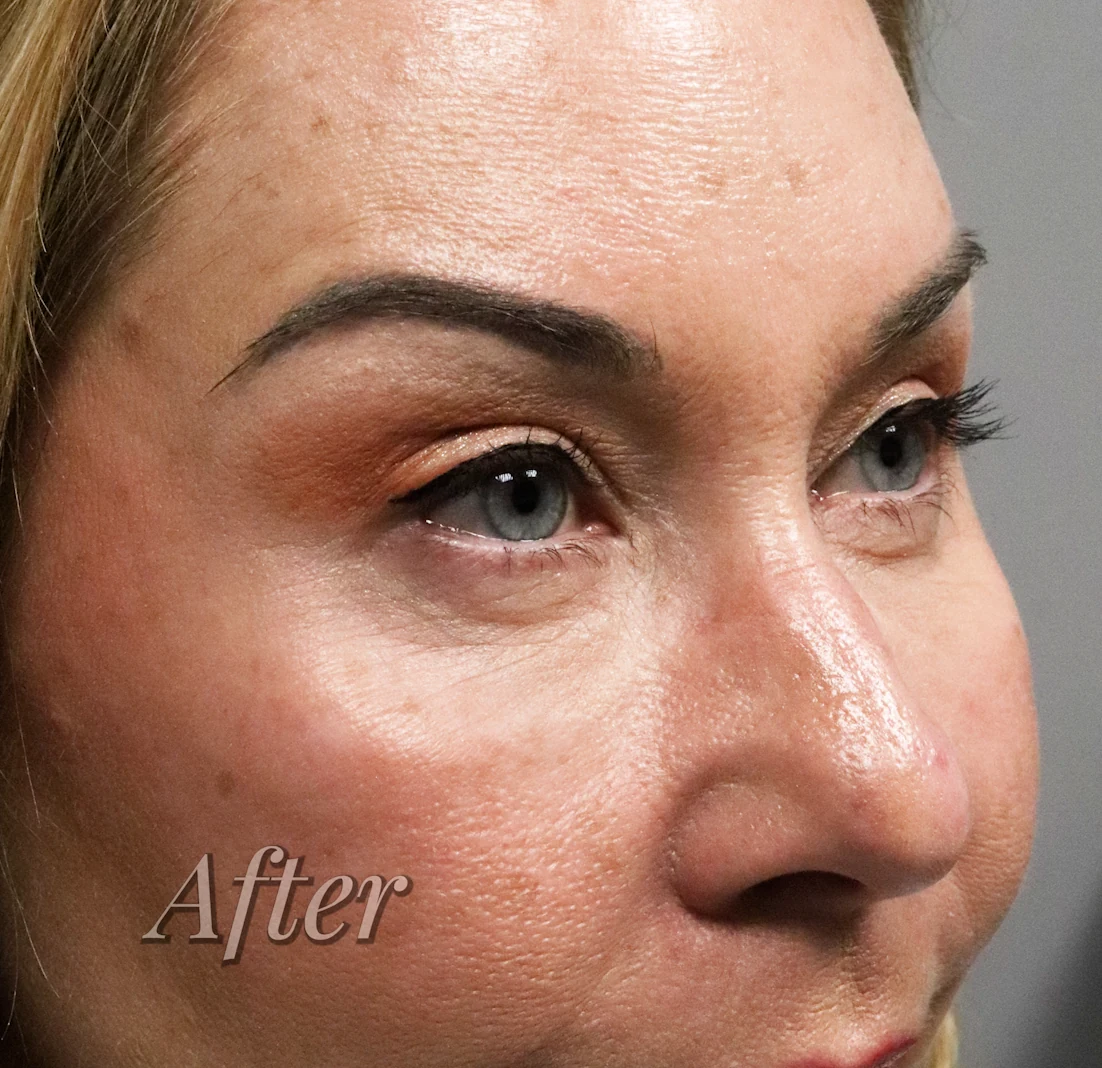
Real patient. Individual results vary. Images are shown for educational purposes with appropriate permission.
Patient experience
Patients often have questions about comfort, recovery, and whether the result will still feel like them. Watch as our Patients describe:
Our staff is incredibly friendly, hard working, knowledgeable and eager to help. Reach out and we’ll guide you on your journey!
Connect a Gravity Form in Website Pages.
The page remains draft-safe until a valid form ID is selected.